What is Best for You?
In a world that moves at breakneck speed, more people are turning to slow, intentional movement practices to restore balance in both body and mind. Tai chi, yoga, and qigong are three of the most popular mind-body disciplines, each with roots stretching back centuries, yet each remarkably well-suited to the stresses of modern life. While they share common threads — breath awareness, mindful movement, and a focus on internal energy — they differ in origin, style, and approach. This guide breaks down the benefits of each and offers practical advice for beginners deciding where to start.
Tai Chi: The Moving Meditation
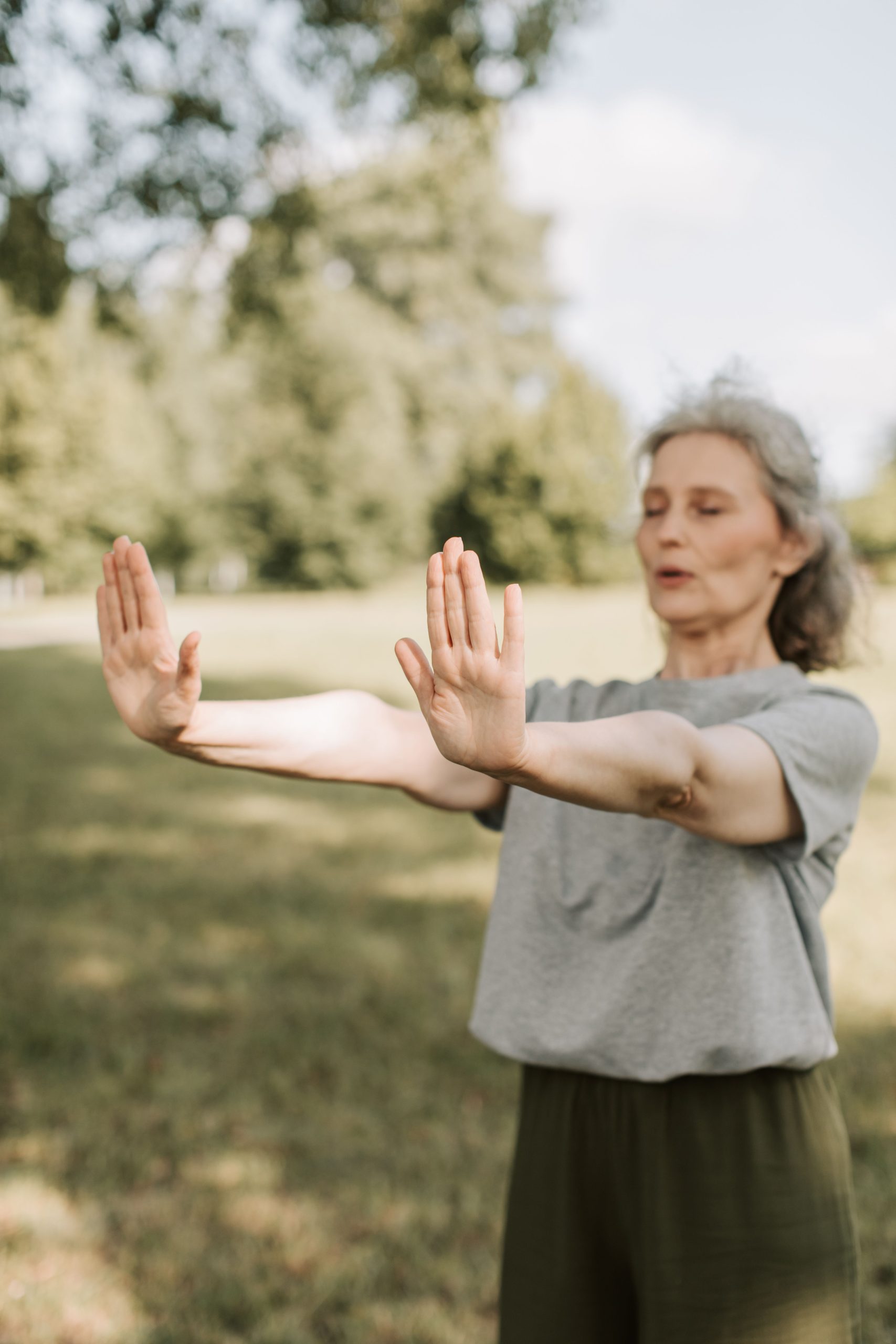
Originally developed in China as a martial art, tai chi has evolved into a gentle practice known for its slow, flowing, continuous movements.
Key benefits:
- Improved balance and fall prevention — Tai chi is widely recommended by physical therapists and geriatric specialists for its ability to strengthen stabilizing muscles and improve proprioception, particularly valuable for older adults.
- Stress reduction — The slow, deliberate movements combined with deep breathing activate the parasympathetic nervous system, lowering cortisol levels.
- Joint health — Because it’s low-impact, tai chi is gentle on joints while still building strength and flexibility, making it ideal for people with arthritis or recovering from injury.
- Cognitive benefits — Some research links regular tai chi practice to improved memory and reduced risk of cognitive decline, likely due to the coordination and focus it demands.
Best for beginners: Tai chi has a reputation for being slow to learn because the movements are subtle and sequence-based. Beginners often benefit most from an in-person class where an instructor can correct posture and hand positioning. The Yang style is the most popular and beginner-friendly form, known for its wide, expansive movements performed at an even pace. Many community centers and senior centers offer free or low-cost introductory tai chi classes, and short “8-form” or “24-form” routines are a manageable starting point compared to longer traditional sequences.
Yoga: Strength, Flexibility, and Breath
Yoga originated in ancient India as a spiritual and physical discipline, and today it exists in dozens of styles ranging from gentle and restorative to intensely athletic.
Key benefits:
- Flexibility and mobility — Regular practice lengthens muscles and improves range of motion, which can reduce injury risk in daily life and other physical activities.
- Strength building — Many yoga poses require you to support your own body weight, building functional strength in the core, arms, and legs.
- Mental clarity and stress relief — The emphasis on controlled breathing (pranayama) paired with movement has been shown to reduce anxiety and improve mood.
- Better sleep — Evening or restorative yoga practices are commonly used to wind down the nervous system before bed.
- Adaptability — Yoga can be modified for nearly any fitness level, age, or physical limitation, making it one of the most accessible practices available.
Best for beginners: New practitioners often feel overwhelmed by the sheer number of yoga styles. A good starting point is:
- Hatha yoga — Slower-paced with basic postures held longer, ideal for learning proper alignment.
- Vinyasa yoga — A good next step once basics are comfortable, linking breath with more dynamic movement.
- Restorative or Yin yoga — Excellent for stress relief and those seeking a gentler, meditative entry point.
Most yoga studios offer beginner-specific classes, and there’s also a wealth of free, well-structured content on platforms like YouTube for those who prefer practicing at home. A basic yoga mat is really the only equipment needed to start.
Qigong: Cultivating Internal Energy
Qigong (pronounced “chee-gong”) is often considered the root practice from which tai chi evolved. It focuses on cultivating and balancing “qi,” or vital energy, through breathing techniques, gentle movement, and meditation.
Key benefits:
- Simplicity and accessibility — Qigong movements are often simpler and more repetitive than tai chi forms, making it easier to learn quickly.
- Stress and anxiety reduction — The practice’s heavy emphasis on breathwork makes it particularly effective for calming the nervous system.
- Immune system support — Some studies suggest regular qigong practice may support immune function, though more research is needed.
- Accessible for all fitness levels — Because many qigong exercises can be done seated or standing in place, it’s especially good for those with limited mobility or chronic illness.
- Mind-body integration — Qigong blends meditation, breath control, and gentle movement more explicitly than tai chi or yoga, offering a strong entry point into mindfulness practice.
Best for beginners: Qigong is arguably the gentlest and most approachable of the three for absolute beginners, since many routines take just 10–15 minutes and require no special equipment or clothing. Look for “Eight Pieces of Brocade” (Baduanjin), one of the oldest and most widely taught qigong sets, consisting of eight simple, repeatable movements. It’s frequently used as a first routine in both clinical and community settings.
Which One Should You Choose?
| Goal | Best Fit |
|---|---|
| Improve balance and prevent falls | Tai Chi |
| Build strength and flexibility | Yoga |
| Quick stress relief with minimal movement | Qigong |
| Structured class with clear progression | Yoga |
| Gentle practice for chronic pain or limited mobility | Qigong or Tai Chi |
| Spiritual/meditative depth | Yoga or Qigong |
For many beginners, the most practical approach is to try a few sessions of each and notice how your body and mind respond. All three practices reward consistency more than intensity — even 10–15 minutes a day can produce noticeable benefits within a few weeks. Because they’re low-impact, there’s little downside to experimenting until you find the one that feels most natural and sustainable for your lifestyle.
Getting Started: Practical Tips
- Start small. Ten to fifteen minutes a few times a week is enough to build a habit and notice initial benefits.
- Use free resources first. Community centers, libraries, and platforms like YouTube offer excellent free introductory classes for all three practices.
- Wear comfortable clothing. None of these practices require special gear — loose, comfortable clothes and bare feet or supportive socks are usually sufficient.
- Listen to your body. These are low-impact practices, but beginners should still avoid pushing into pain, especially with unfamiliar stretches in yoga.
- Consistency over intensity. The benefits of all three practices compound over time; a short daily practice beats an occasional long session.
Whether you’re drawn to the martial art heritage of tai chi, the physical versatility of yoga, or the meditative simplicity of qigong, each offers a low-risk, high-reward path toward better physical health, mental clarity, and stress resilience.